

In today’s fast-paced world, finding moments of peace can feel like a challenge. Mindfulness exercises offer a powerful way to reconnect with the present and cultivate inner calm. By focusing on the here and now, individuals can reduce stress, enhance emotional well-being, and improve overall quality of life.
These simple yet effective practices encourage awareness of thoughts and feelings without judgment. Whether it’s through meditation, breathing techniques, or mindful walking, incorporating mindfulness into daily routines can lead to profound changes. As more people recognize the benefits, exploring various mindfulness exercises becomes essential for anyone seeking balance and clarity in their lives.
What Are Mindfulness Exercises?
Mindfulness exercises focus on promoting present-moment awareness through various techniques. These practices encourage individuals to observe thoughts, feelings, and bodily sensations without judgment. Incorporating mindfulness into daily routines enhances emotional regulation and stress management.
Common mindfulness exercises include:
- Meditation: A technique involving focused attention and often a quiet environment. It fosters peace and clarity.
- Breathing Techniques: Practices such as deep breathing help individuals center their thoughts and calm their mind.
- Mindful Walking: Engaging in walking while paying attention to each step cultivates awareness of movement.
Each exercise contributes to improved mental clarity and emotional resilience. Mindfulness exercises can be practiced anywhere and adapted to suit individual preferences, making them accessible tools for enhancing overall well-being.
Benefits of Mindfulness Exercises
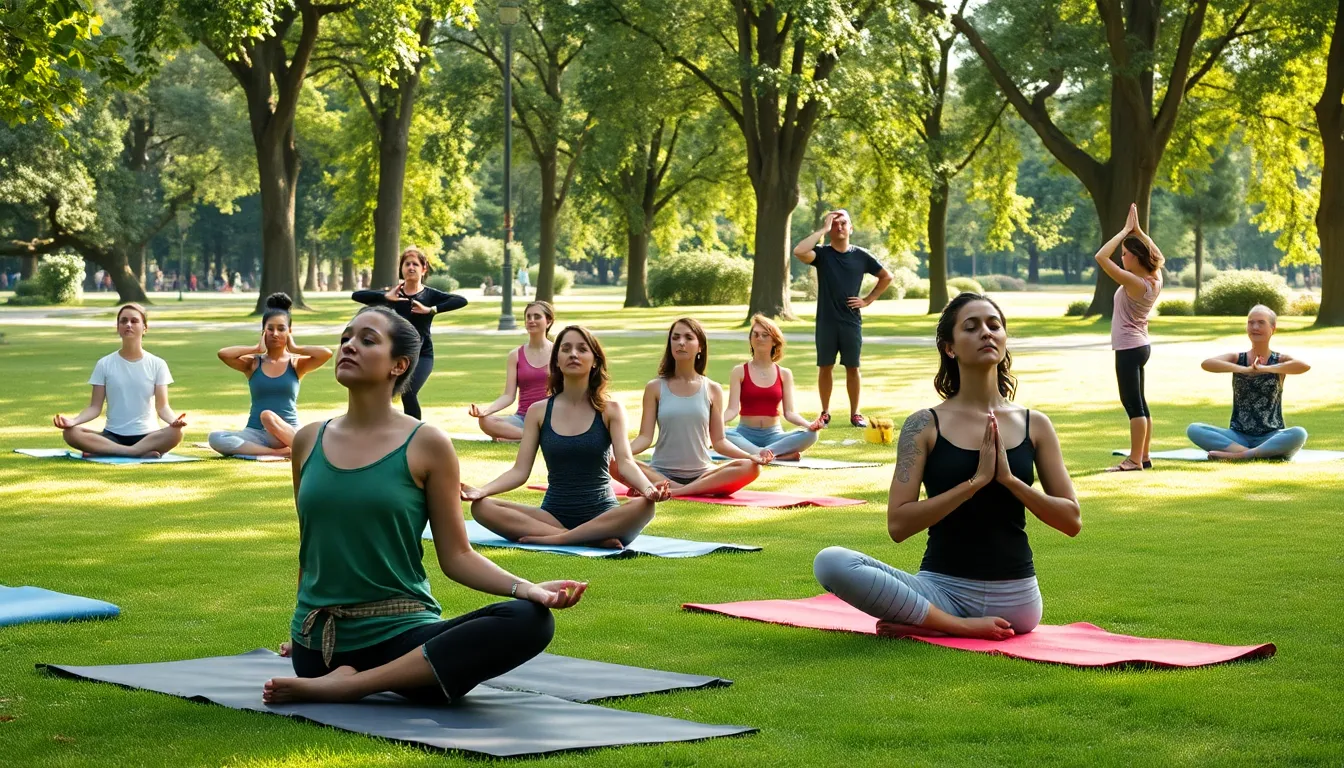
Mindfulness exercises offer a range of benefits that enhance both mental and physical health. Practicing these techniques can lead to profound improvements in overall well-being.
Mental Health Advantages
- Reduces Anxiety: Mindfulness exercises activate the relaxation response, which lowers levels of stress hormones. Research shows that regular practice can decrease anxiety symptoms by up to 58% (Hofmann et al., 2010).
- Enhances Focus: Mindfulness training cultivates attention and concentration. Studies demonstrate that individuals who practice mindfulness exhibit improved cognitive flexibility and working memory.
- Improves Emotional Regulation: Engaging in mindfulness increases awareness of emotions without becoming overwhelmed. This awareness lends itself to better emotional responses and greater resilience during stressful situations.
- Fosters a Positive Outlook: Mindfulness exercises contribute to an increase in overall life satisfaction. Participants report higher levels of positive emotions and decreased negativity.
Physical Health Advantages
- Lowers Blood Pressure: Mindfulness practices can contribute to reductions in blood pressure. Meta-analyses indicate a significant decrease in systolic and diastolic pressure among regular practitioners.
- Enhances Sleep Quality: Engaging in mindfulness exercises promotes relaxation, which can lead to improved sleep quality. Research indicates that individuals practicing mindfulness report better sleep and reduced insomnia symptoms.
- Boosts Immunity: Mindfulness has been linked to enhanced immune function. Studies show that participants who practice mindfulness experience a strengthened immune response when facing illness.
- Fosters Healthy Lifestyle Choices: Mindfulness exercises encourage individuals to be present and aware, leading to healthier eating habits and increased physical activity. This heightened awareness can translate into sustained lifestyle changes.
Types of Mindfulness Exercises
Mindfulness exercises come in various forms, each designed to enhance present-moment awareness and promote overall well-being. Here are some effective types of mindfulness exercises:
Breathing Techniques
Breathing techniques focus on the breath as a tool for grounding and calming the mind. Common methods include:
- Diaphragmatic Breathing: It involves inhaling deeply through the nose, allowing the diaphragm to expand, and exhaling slowly through the mouth. This technique decreases tension.
- 4-7-8 Breathing: It requires inhaling for four seconds, holding the breath for seven seconds, and exhaling for eight seconds. This pattern promotes relaxation and reduces anxiety.
- Box Breathing: It involves inhaling for four seconds, holding for four seconds, exhaling for four seconds, and pausing for another four seconds. This structure centers thoughts and calms the nervous system.
Body Scan Meditation
Body scan meditation guides practitioners through a detailed observation of bodily sensations. Key aspects include:
- Progressive Awareness: It encourages scanning from head to toe, focusing on each body part. Individuals take notice of tension or discomfort, promoting relaxation.
- Non-Judgmental Observation: Practitioners observe sensations without attaching labels or judgments, cultivating acceptance of their physical state.
- Length: Sessions often range from 10 to 30 minutes, allowing adequate time for thorough awareness.
Mindful Walking
Mindful walking integrates movement with present-awareness, creating a meditative experience. Significant components include:
- Slow Pace: Walking slowly allows individuals to focus on each step, enhancing awareness of their movements.
- Sensory Engagement: Practitioners notice the feel of the ground beneath their feet, the air against their skin, and the sounds around them. This practice fosters connection with the environment.
- Breath Coordination: Individuals sync their breathing with their steps, reinforcing mindfulness and promoting relaxation.
Guided Imagery
Guided imagery uses visualization to foster relaxation and mindfulness. Notable elements include:
- Visualization Techniques: It often involves imagining peaceful scenes, such as serene landscapes or calming colors. This mental imagery eases stress.
- Narrated Sessions: Many practice with audio guides that lead through visualizations, making it accessible for beginners.
- Emotional Connection: This method not only promotes relaxation but also helps individuals connect with positive emotions and experiences.
Incorporating these exercises into daily routines can enhance emotional well-being and overall mental clarity.
How to Incorporate Mindfulness Exercises into Daily Life
Incorporating mindfulness exercises into daily life requires intentionality and consistency. Establishing a routine and creating a conducive environment enhances the practice significantly.
Setting a Routine
Establishing a routine supports mindfulness practice and promotes consistency. Designate specific times each day for mindfulness exercises, allowing for gradual integration into the schedule. For instance, morning routines can include five minutes of meditation, while evenings might focus on breathing exercises before bed. Set realistic goals, such as practicing mindfulness for ten minutes daily, and gradually increase the duration as comfort grows. Remind oneself of the benefits to maintain motivation, fostering a deeper commitment to the practice.
Finding the Right Environment
Creating the right environment enhances mindfulness exercises. Choose a quiet, comfortable space that minimizes distractions. A corner of a room with soft lighting works well for meditation, while a serene outdoor setting can benefit mindful walking. Ensure the space is free from interruptions, allowing a focus on the present moment. Personalizing the environment with items like cushions or calming scents can enhance relaxation and enjoyment during practice, facilitating a deeper connection to the mindfulness experience.
Embracing mindfulness exercises can lead to transformative changes in both mental and physical health. By integrating these practices into daily routines individuals can cultivate a deeper awareness of the present moment. This intentional focus not only alleviates stress but also enhances emotional resilience and overall well-being.
The journey towards mindfulness is personal and adaptable. With consistent practice individuals can unlock the benefits of improved clarity and balance in their lives. Whether through meditation breathing techniques or mindful walking each step taken towards mindfulness is a step towards a more fulfilling life.

