
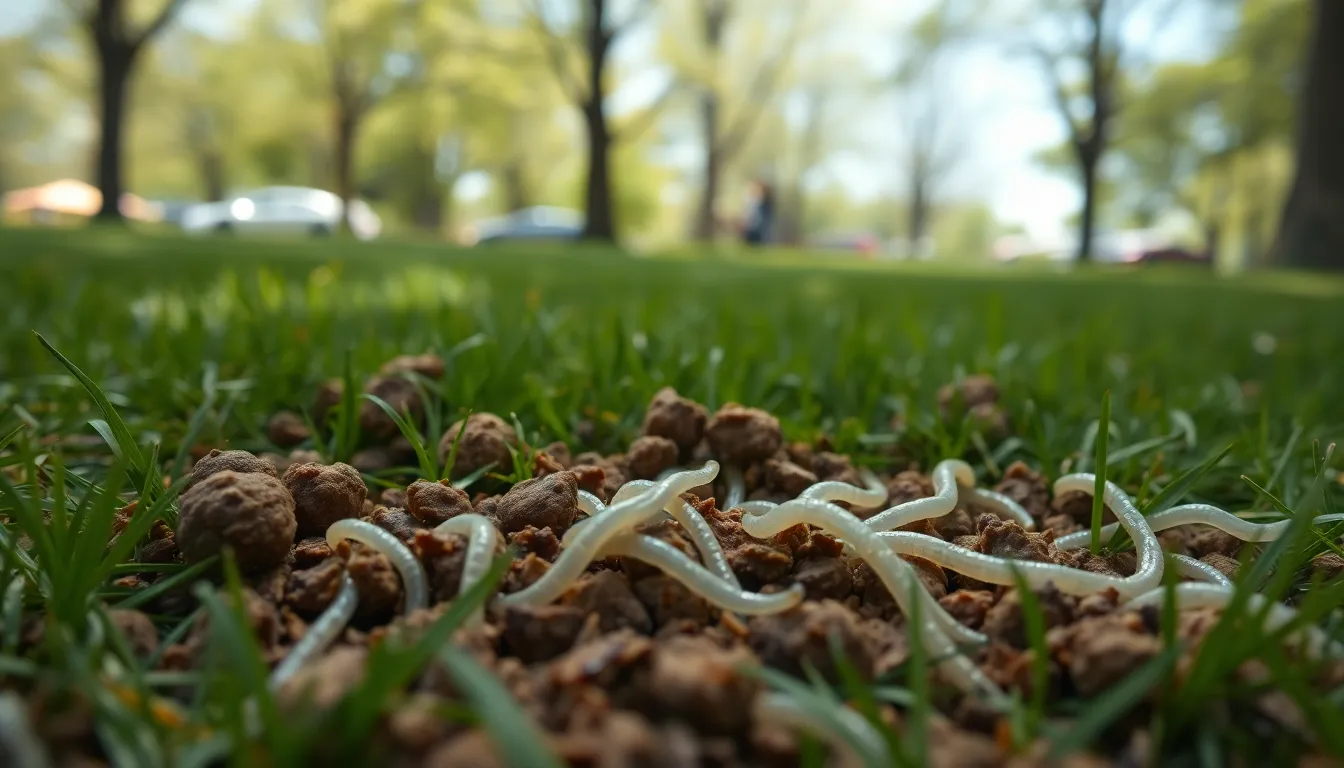
Finding flat white worms in dog poop can be alarming for pet owners. These tiny parasites often indicate a potential health issue that needs immediate attention. While it’s easy to brush off such findings, understanding what these worms are and their implications can help ensure a dog’s well-being.
Flat white worms, commonly known as tapeworms, are often the result of a dog ingesting infected fleas or rodents. They can lead to discomfort and serious health problems if left untreated. Being aware of the signs and symptoms can empower pet owners to take action quickly, ensuring their furry friends stay healthy and happy.
Understanding Flat White Worms in Dog Poop
Flat white worms, commonly known as tapeworms, can pose significant health risks to dogs. Recognizing these parasites and understanding their life cycle is crucial for effective prevention and treatment.
What Are Flat White Worms?
Flat white worms are the larval form of tapeworms, specifically Dipylidium caninum and Taenia species. These parasites often appear as small, white, rice-like segments in dog feces. Adult tapeworms attach to the intestinal wall and feed on the host’s nutrients. Signs of infection include weight loss, increased appetite, and anal irritation. Tapeworms primarily enter a dog’s system through the ingestion of infected fleas or rodents.
Life Cycle of Flat White Worms
Flat white worms follow a distinct life cycle that begins with eggs expelled in the host’s feces. These eggs can be ingested by fleas or rodents. Infected fleas then transmit the larvae when dogs groom or ingest them. Once in the dog’s intestines, the larvae mature into adult tapeworms within two to three weeks. Adult worms can produce thousands of eggs daily, continuing the cycle. Regular flea control is vital for prevention, along with routine veterinary check-ups to monitor for infections.
Identifying Flat White Worms in Dog Poop
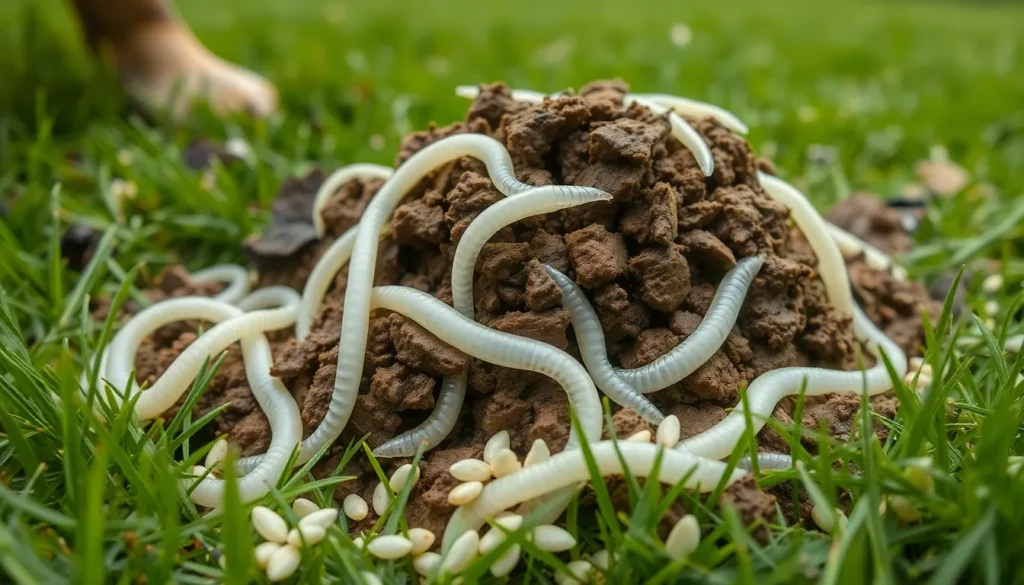
Recognizing flat white worms in dog feces is essential for effective treatment. Pet owners should familiarize themselves with the visual characteristics and symptoms associated with these parasites.
Visual Characteristics
Flat white worms resemble long, thin strands or pieces of rice and vary in size from 1 to 12 inches. Their color is typically white or cream, occasionally appearing yellowish. Worm segments may also detach from the main body, which can appear as small, moving grains in the dog’s feces or around the anus. These segments are called proglottids and may be seen in clusters, especially after the dog defecates.
Symptoms in Dogs
Common symptoms of a tapeworm infection include:
- Weight loss: Despite a healthy appetite, affected dogs may lose weight.
- Increased appetite: Dogs often eat more as their bodies do not absorb nutrients efficiently.
- Anal irritation: Pets may scoot or lick their anal area frequently, indicating discomfort.
- Visible worms: Pet owners may observe flat white worms in feces or on the dog’s fur.
Prompt identification of these symptoms facilitates timely veterinary intervention, ensuring better health outcomes for pets.
Causes of Flat White Worm Infestation
Flat white worms in dog feces often result from various sources of infestation. Understanding these causes helps in effective prevention and management.
Common Parasites
Flat white worms are most commonly caused by two parasite types: Dipylidium caninum and Taenia species. Dogs typically ingest these parasites through infected fleas or small animals. Fleas serve as intermediate hosts for Dipylidium caninum, dispersing worm eggs when the flea is swallowed. Infected rodents can transmit Taenia species to dogs when consumed. Identifying these parasites through proper veterinary examination is essential for accurate diagnosis and treatment.
Environmental Factors
Environmental factors significantly influence flat white worm infestations. Poor hygiene and contaminated areas contribute to a higher risk of parasite transmission. Flea infestations in a dog’s living environment serve as a primary vector for tapeworm infection. Additionally, if dogs roam areas with rodent populations, the likelihood of exposure increases. Regular cleaning and preventive measures, such as flea control and limiting contact with wildlife, can reduce environmental risks associated with tapeworms in dogs.
Treatment Options for Infected Dogs
Dog owners dealing with flat white worms in feces should assess treatment options promptly. Effective approaches often involve veterinary care and may include at-home remedies.
Veterinary Care
Veterinary care offers the most reliable treatment for tapeworm infections. A veterinarian typically diagnoses the condition using a fecal examination to identify tapeworm segments or eggs. Treatment involves prescribing anthelmintics, medications specifically designed to eliminate tapeworms. Common medications include praziquantel and fenbendazole, usually administered in a single dose or as a short course. The veterinarian may also recommend follow-up examinations to ensure the infection has been fully resolved. Regular check-ups help monitor overall pet health and prevent reinfection.
At-Home Remedies
While veterinary care is essential, some at-home remedies can complement treatment. Ensuring a clean environment reduces flea populations, as fleas are primary transmitters of tapeworms. Regular vacuuming and washing dog bedding with hot water effectively eliminate fleas and their eggs. Feeding dogs a balanced diet rich in fiber may also promote healthy digestion, potentially aiding recovery. However, it’s crucial to consult a veterinarian before pursuing any at-home remedies to ensure safety and effectiveness.
Preventing Flat White Worms in Dog Poop
Preventing flat white worms, or tapeworms, in dog poop relies on effective hygiene practices and routine veterinary care. Pet owners can significantly lower infestation risks by maintaining a clean living environment and staying vigilant about their dogs’ health.
Hygiene Practices
Maintaining strict hygiene practices plays a crucial role in preventing tapeworm infestations.
- Clean living areas regularly: Regularly washing dog bedding, toys, and any surfaces the dog accesses reduces parasites in the environment.
- Immediate cleanup: Promptly removing dog feces from yards and public areas prevents the spread of tapeworm eggs.
- Control fleas: Implementing effective flea control, using veterinarian-recommended products, keeps fleas from acting as intermediate hosts for parasites.
- Limit wildlife exposure: Preventing dogs from accessing areas where rodents or wild animals dwell reduces the chances of ingesting infected prey.
Regular Check-ups
Routine veterinary check-ups are essential for early detection and prevention of tapeworm infections.
- Routine fecal examinations: Regular examination of dog feces can detect parasites before they cause severe health issues.
- Vaccination and deworming: Keeping vaccines up to date and discussing deworming schedules with a veterinarian aids in minimizing parasite risks.
- Monitoring weight and appetite: Frequent health assessments allow pet owners to notice any concerning changes, such as unintentional weight loss or increased appetite, prompting timely veterinary intervention.
- Vet-provided guidance: Veterinarians offer tailored recommendations for home care, including advice on flea control and diet adjustments, helping to maintain overall pet health.
Addressing the presence of flat white worms in dog poop is vital for maintaining a pet’s health. Recognizing the symptoms and understanding the causes can help pet owners take quick action. Regular veterinary check-ups and effective flea control are essential in preventing infestations.
Maintaining a clean environment and monitoring a dog’s health can significantly reduce the risk of tapeworm infections. By staying informed and proactive, pet owners can ensure their furry companions lead healthier lives free from parasites.

